
PART 2 | PANDA PROTOTYPE DOCUMENTATION
A Crosley Panda Survivor
The first Part of this Panda Series provided a brief overview of the Panda, its three models, and an introduction to the Surviving Panda (II) auto. Part II — and the final of this series — continues to present this vehicle as a single survivor of the Panda prototypes. Part II will highlight the striking similarities of the original Panda brochure (circa 1955) and profile current photos of the surviving Panda. In addition, Part II includes surviving Panda prototype photos noting critical manufacturing components of this car that substantiate its pre-production quality.
· Then & Now — Brochure vs. Survivor
The 1955 Panda brochure renderings sit remarkably close to the surviving prototype. Compare each sketch against the survivor photographed beside it.
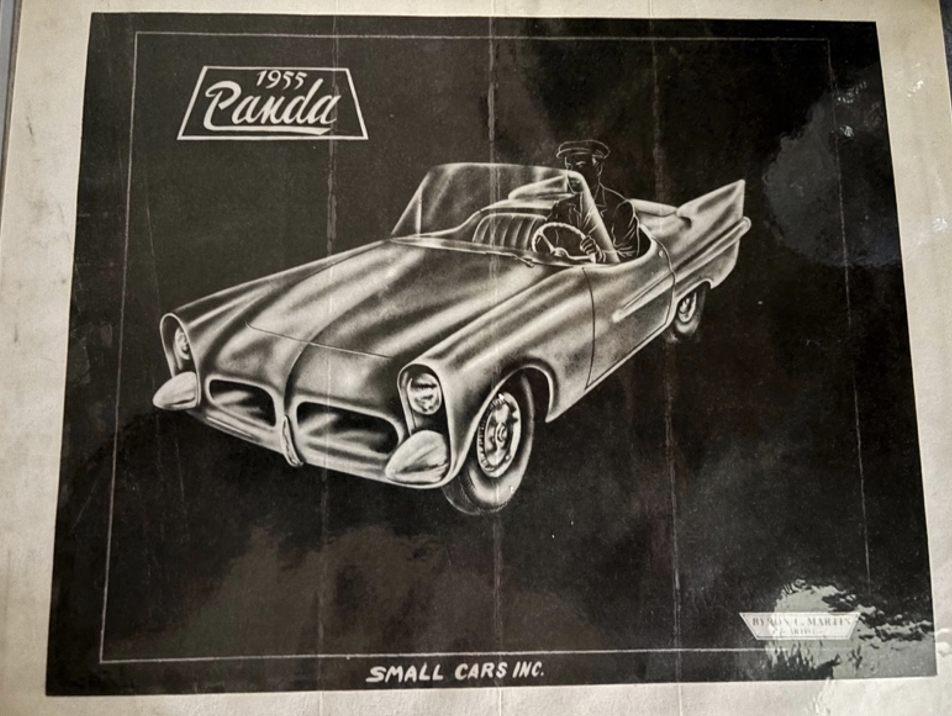
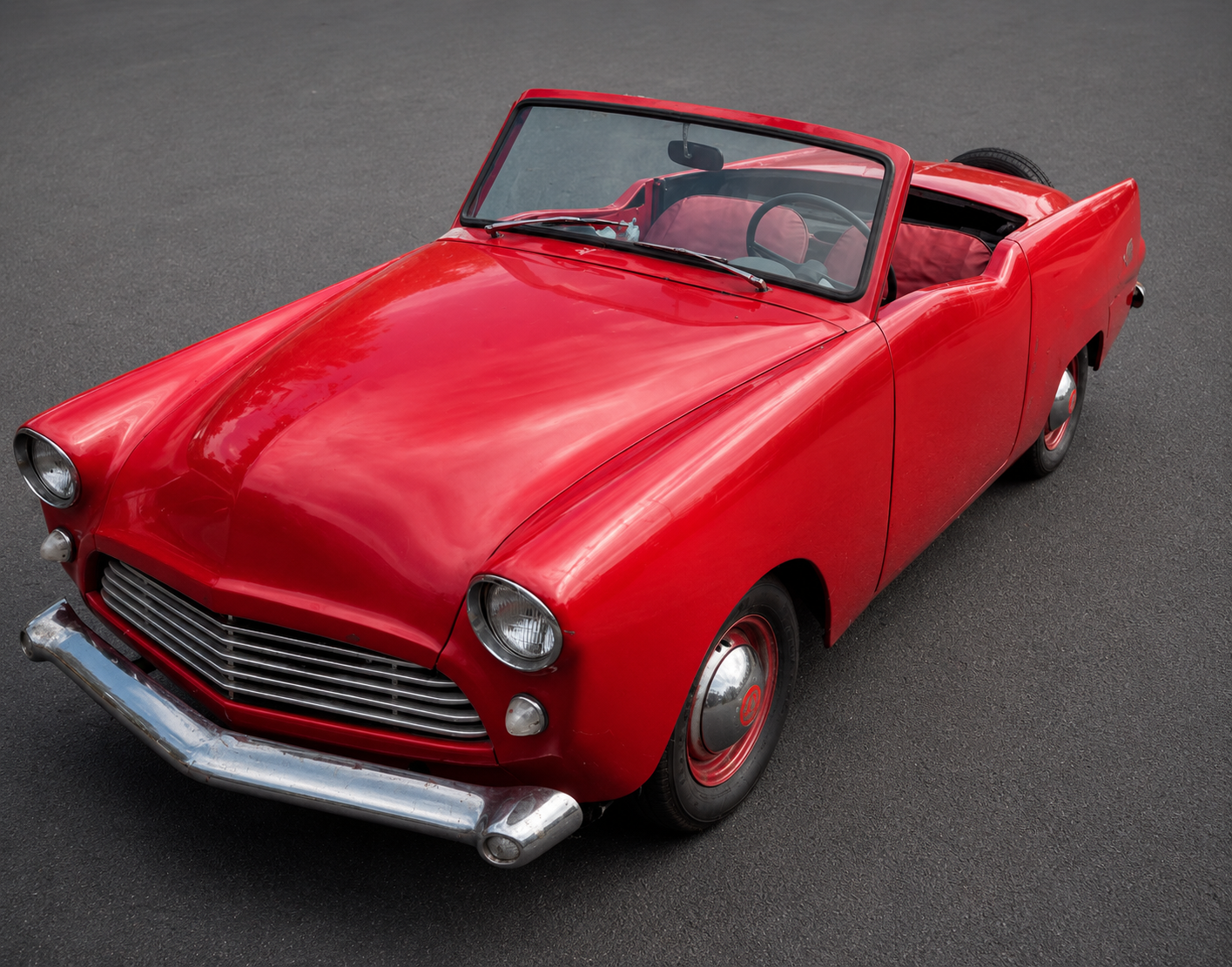
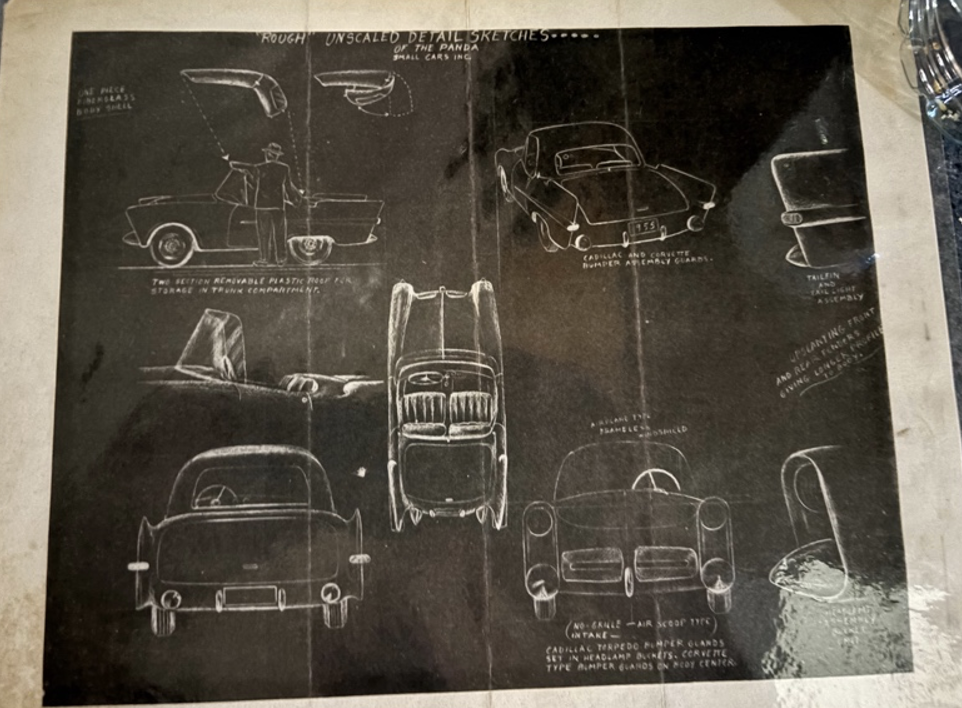
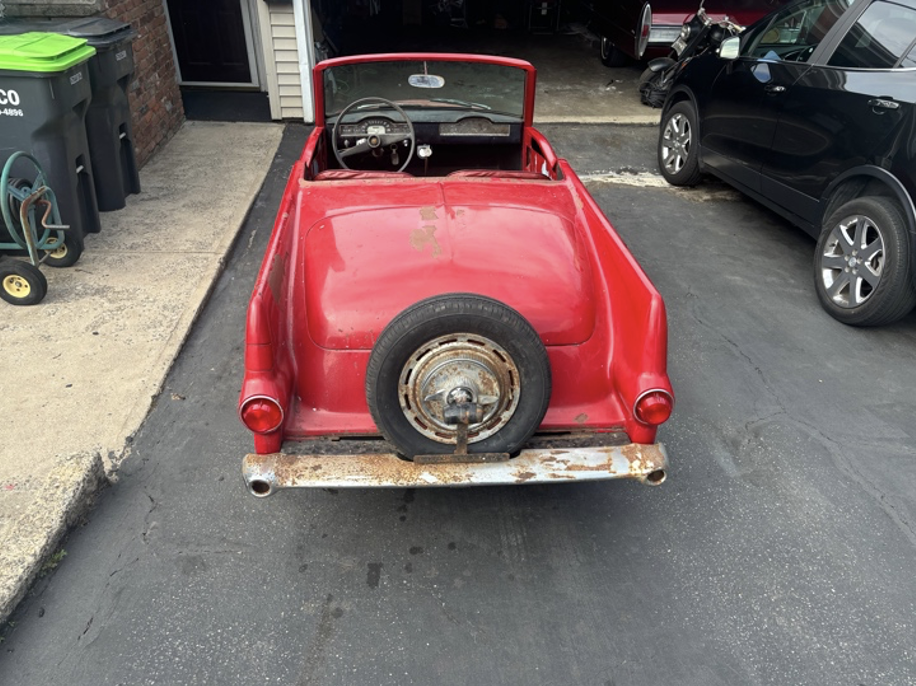
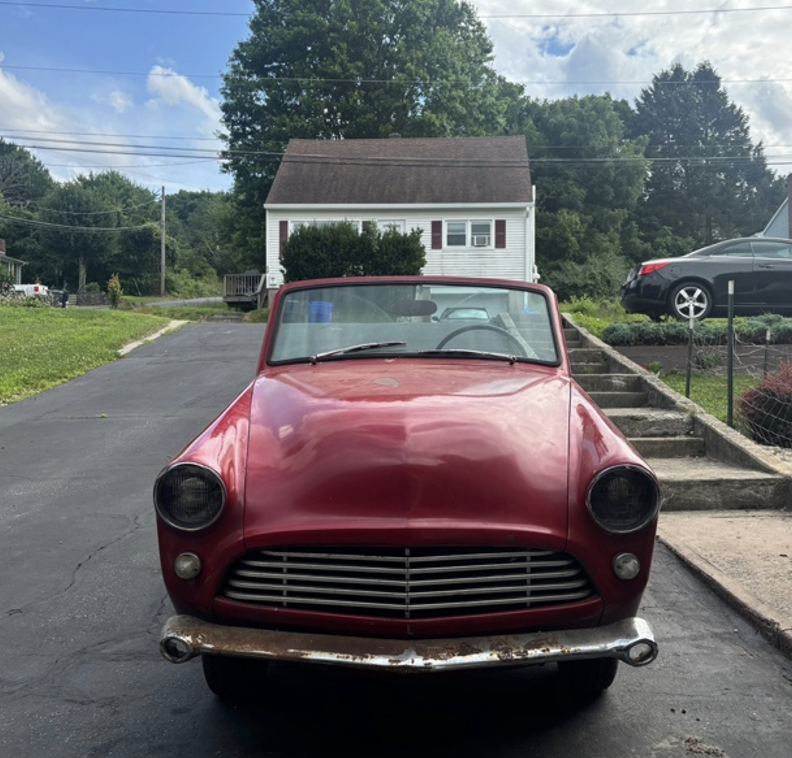
In addition to the comparisons above, what follows are additional survivor features that further support this survivor's Panda Series II pre-production status.
· Fiberglass — An Emerging Auto Technology
Pandas were said to have been produced with fiberglass bodies. However, the appearance of fiberglass technology was new and very slow to emerge in the early 1950s. In fact, the first Corvette prototypes were first considered to be made of steel. But after a successful debut, the favorable public response, and the need to get the cars to market quickly, fiberglass was used. In general, in the early '50s, steel was still the primary material used for automotive bodies due to its strength, durability, and long-term cost-effectiveness.
In this Panda Series II car's case, as a prototype, the body was made of steel (although contradicted in 70+-year-old information). With no known Panda survivors and very little historical documentation, it is quite possible that the early Panda Series I & II were made of steel. The company soon went under and was unable to continue with the planned fiberglass body mass production.
The following information documents the substantial manufacturing investment in the development of this Panda prototype — far beyond any "home project."
· The Evidence
Seven manufacturing details that point to a car engineered for production — not a backyard build.
The Trunk
When you open the trunk of the Panda survivor, there are drip rails. The interior of the trunk lid has a complete underside structure. In addition, the trunk is complete like a modern car. Wheel wells are present. There is also a divider between the trunk and the cabin, with all the inner wells seamed and going up to the rear of the car body. These detailed features are of a car ready for production.
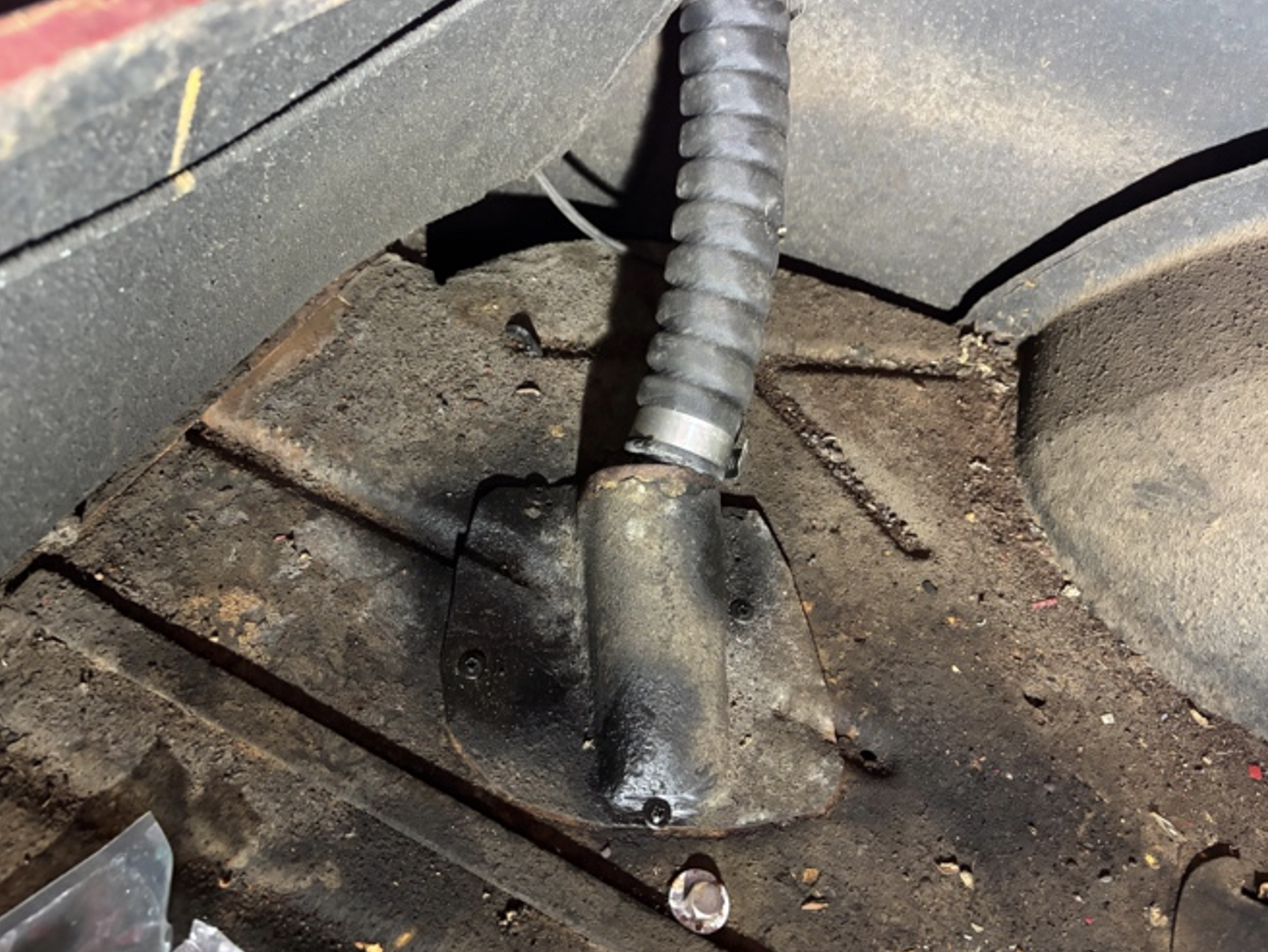
Trunk Hinge & Latch
The trunk hinge and latch demonstrate that a manufactured piece was used in its construction. Note the complex rear trunk hinge supported by the wheel-well buckets, with drip rails present. The wheel-well bucket has a separate backside to prevent road material from entering the trunk.
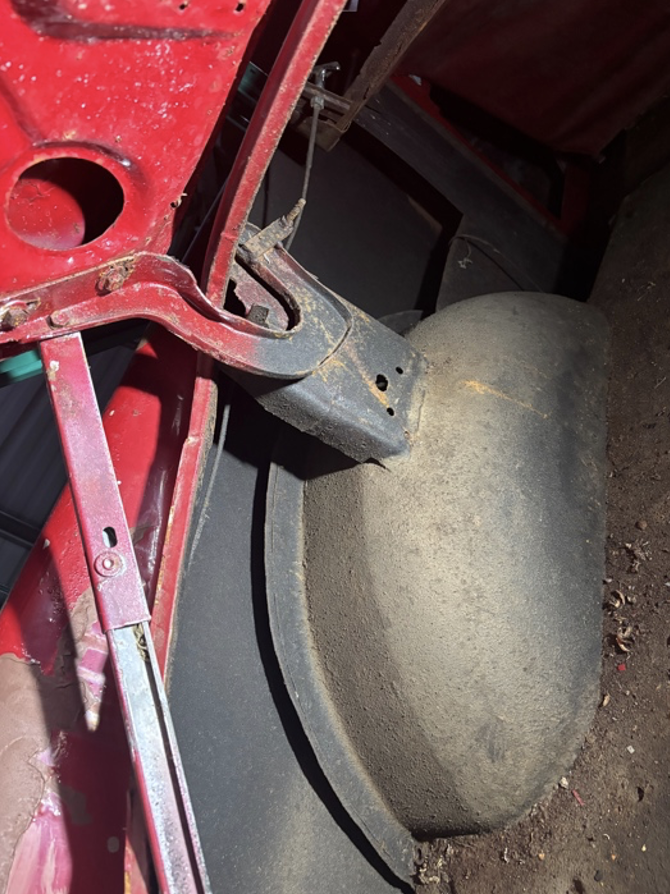
Structural Design
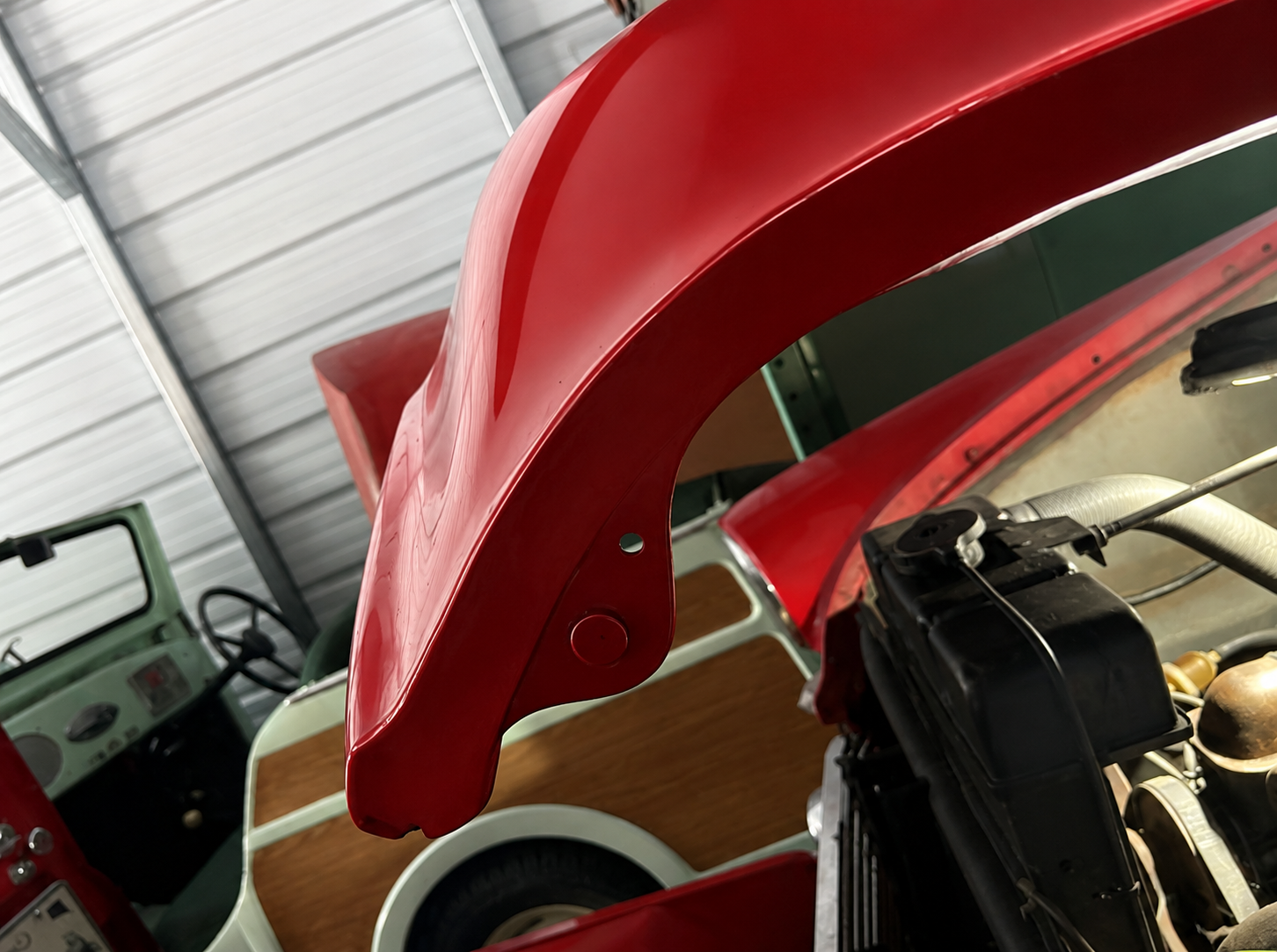
The fender wells are present. The hood has hinges with springs to support an open hood. The hinges are far too complex to be homemade or made for a "one-off" production. They have individual springs on both sides. This sophistication would likely not be present unless the hinges and springs used were going to be used again in production. In addition, the fenders have to be removed to get at the hood hinges — far too complicated for a post-production modification.
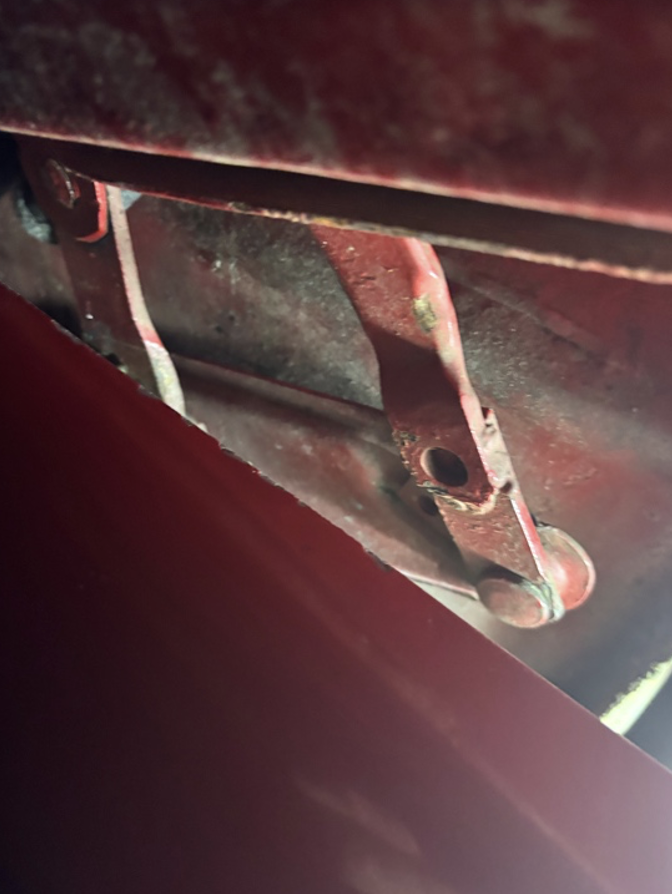
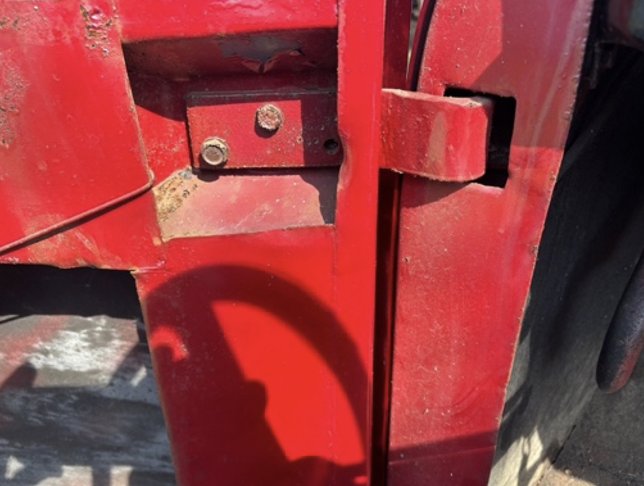
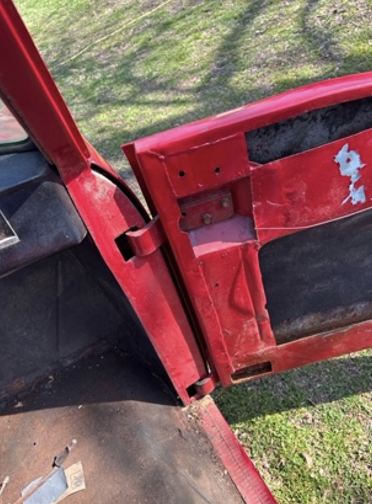
Hidden Door Hinges
Note the detail of the "hidden" door hinges, claimed to be a part of the next-series Panda prototypes.
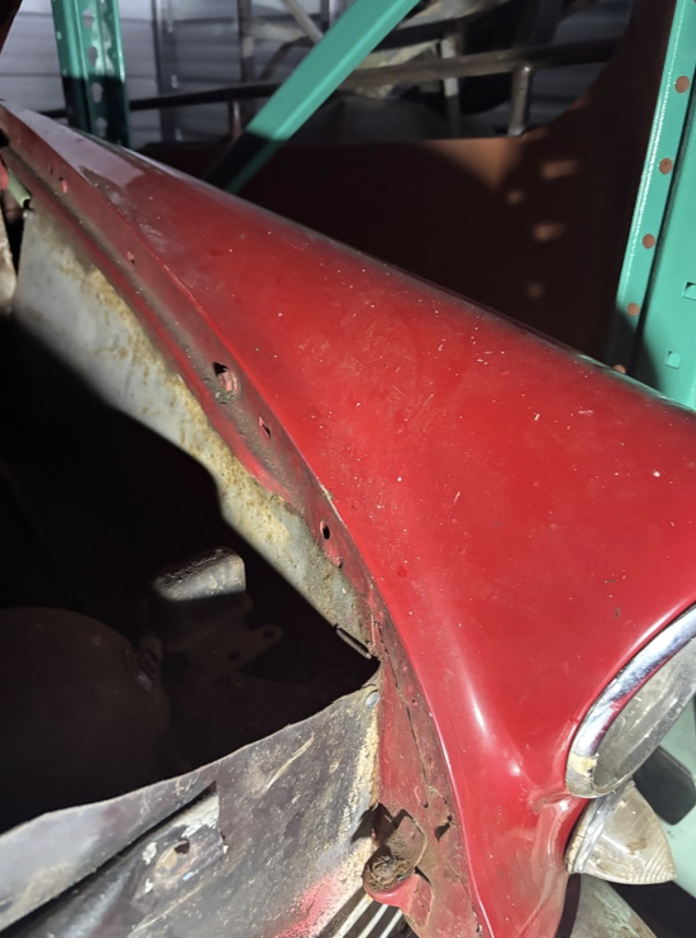
Stamped Fender
This is a stamped fender. It supports "gearing up" for manufacturing.
Exterior Details
The headlight rings are cast, made of pot metal to fit the contours of the fenders. They are not a universal ring and were made specifically for this vehicle. The bumpers were also made specifically for this car, with bullets on each end tailored to accommodate the width of this vehicle. On the underside, there is a splash pan behind the car to hide the gas tank — clearly a feature of a future production car.
Electrical
The Panda's wiring is derived from an original, "custom" harness. It is wrapped and woven and has a correct junction box. A professional body man would not be capable of using woven wire for a "post-production" cover wiring harness. The preciseness of the production suggests it was designed for longer-term production applications.
"Several colleagues with extensive automotive experience — a body shop owner, a professional in historic restorations, and a hot rod builder — noted that this car was not a simple 'backyard assembly project' because of the preciseness of construction, the production symmetry (right side / left side), and the general overall quality of the craftsmanship."
— Independent expert assessments
There is an insufficient documented history of the demise of the Panda, resulting in the absence of a complete history of the auto. The resulting historical vacuum invites numerous dismissive disclaimers about any survivors and their authenticity. This two-part series sought to "connect the dots" on Panda's history, fill in obvious survivor information gaps, and position this prototype Panda Series II as perhaps the last single surviving example of an innovative early American sports car.
References
- ›Automotive News. (1955, March 7).
- ›Consumer Guide Editors. (2002). Encyclopedia of American Cars. Publications International.
- ›Standard Catalogue of American Cars, Volume 3: 1946–1975.
- ›Original Panda brochure (c. 1955). Owner's collection.
- ›Cunningham, R. D. (n.d.). Crosley Powered Roadster Proposal Resulted in "Panda." Undiscovered Classics.